Early Life & Formative Years
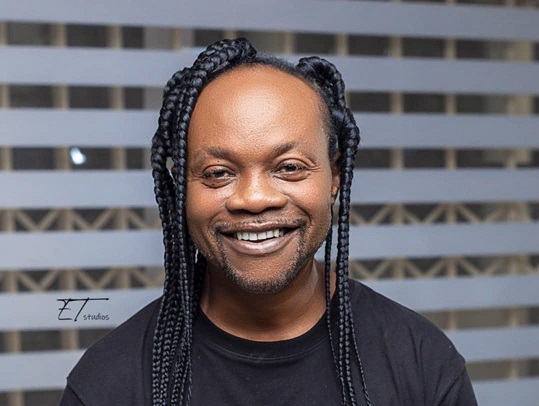
Charles Kwadwo Fosuh—better known by his stage name, Daddy Lumba—was born on 29 September 1964 in Nsuta, near Mampong in Ghana’s Ashanti Region.
His father, Johnson Kwadwo Fosuh, worked as a teacher and died when Charles was still a young boy.
As a teenager, Lumba showed musical promise: he led the choir at Juaben Senior High School from 1983-84 and formed his first school-group band.
The Genesis of a Legend (1980s)
- In the early 1980s, Lumba travelled to Germany—where he teamed up with Ghanaian highlife musician Nana Acheampong—and together they formed the duo Lumba Brothers.
- Their debut collaborative album, Yɛɛyɛ Aka Akwantuo Mu, was released in 1989 and marked the beginning of Lumba’s rise within the highlife genre.
- From this foundation, he launched his solo career in 1990 with the album Obi Ate Meso Buo, featuring the hit track “Theresa”.
Career Breakthrough & Golden Era (1990s–2000s)
- Through the 1990s and early 2000s, Daddy Lumba released over 30 studio albums, with songs that became national staples—“Aben Wo Ha”, “Yentie Obiaa”, “Playboy”, “Sika Asem” among them.
- In 1999, he won several awards at the Ghana Music Awards including Best Album, Artist of the Year, and Most Popular Song.
- His music blended traditional Ghanaian highlife rhythms with modern instrumentation and lyric themes covering love, life struggles, aspiration, and resilience—earning him the reputation as one of Ghana’s greatest musicians.
Later Work, Influence & Legacy
- Lumba remained a formidable presence in Ghana’s music scene into the 2010s and beyond, mentoring younger artists and releasing singles like Ofon Na Ɛdi Asɛm Fo in December 2022.
- His influence extended widely: He nurtured the careers of notable artists (e.g., Ofori Amponsah) and many contemporary musicians cite him as an inspiration.
- He also established his own label (Lumba Productions) and continued to invest in Ghanaian music production—proving himself not just a performer but a cultural pillar.
Final Chapter & Passing
On 26 July 2025, Daddy Lumba passed away in Accra after a brief illness, aged 60.
His death triggered an outpouring of grief across Ghana; fans, musicians, and public figures shared tributes to a man whose voice had become entwined with the nation’s collective memory.
Why He Mattered
- Cultural Icon: Daddy Lumba’s music scored generations—his songs were played at weddings, funerals, street parties; his voice became part of everyday Ghana.
- Musical Innovator: He modernised highlife, bridging old-school rhythms with newer sensibilities, making the genre relevant for younger audiences.
- Mentor & Entrepreneur: Beyond performance, he invested in others, helped launch careers, and built infrastructure for music production in Ghana.
- Forever in Memory: His body of work stands as a testament to artistic longevity, impacting both locals and the Ghanaian diaspora.
Remembering Him
As we reflect on his life and work, we remember Daddy Lumba not just for his hits or award shows—but for what his music meant: comfort in hardship, joy in celebration, and a soundtrack to Ghanaian life.
Whether you danced to “Yentie Obiaa” at a party, sang “Theresa” softly on a drive, or simply heard his voice overhead—his legacy is alive in those moments.
Rest in peace, Daddy Lumba.
Your melody remains in our hearts, your rhythm lives on within our culture, and your journey continues in the songs that will be sung tomorrow.
DISCLAIMER: The Views, Comments, Opinions, Contributions and Statements made by Readers and Contributors on this platform do not necessarily represent the views or policy of ghanamourns.com.